How to move from random marketing efforts to a clear, repeatable growth plan
If you ask most small business owners about their marketing strategy, they’ll usually say something like:
- “We post on social media.”
- “We send emails sometimes.”
- “We tried ads.”
- “We hired someone to do SEO.”
That’s activity.
That’s not a strategy.
And it’s not because small business owners are careless or uninformed. It’s because they’re busy. They’re running operations, managing people, handling customers, and trying to grow — all at the same time.
Marketing becomes something you do, not something you design.
But without strategy, marketing turns into random effort — which is why many businesses discover their marketing looks busy but isn’t actually working.
Why Most Small Businesses Don’t Have a Real Strategy
If any of these feel familiar, you’re in good company.
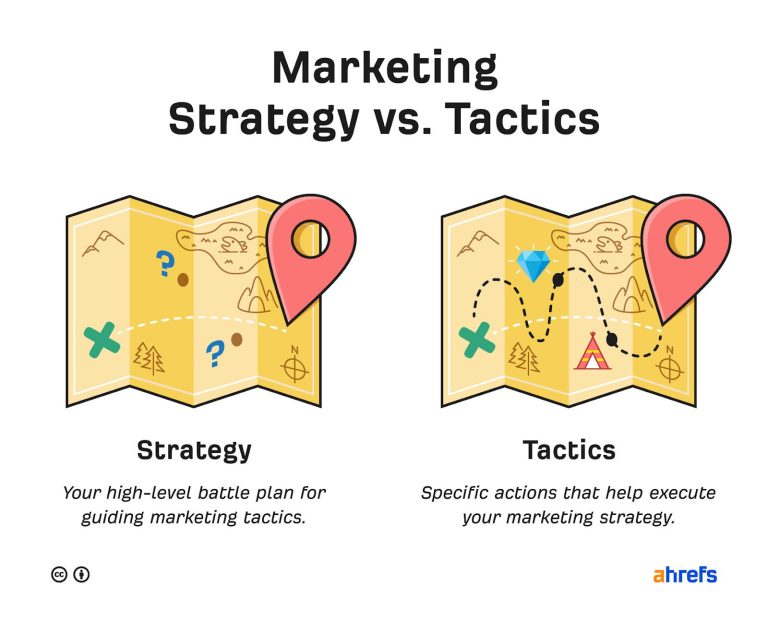
1. They Mistake Tactics for Strategy
Posting on Instagram is a tactic.
Sending emails is a tactic.
Running Google Ads is a tactic.
A strategy answers:
- Who are we targeting?
- What problem do we solve?
- What makes us different?
- How do we guide someone from awareness to decision?
Without those answers, tactics become disconnected pieces instead of a cohesive system.
2. They’re Reacting Instead of Planning
Many businesses operate in reaction mode:
- Sales dip → run a promotion.
- Competitor launches something → copy it.
- Someone says “You should be on TikTok” → create an account.
Reactive marketing feels productive, but it rarely builds momentum. Strategy is proactive. It creates direction instead of chasing trends.
Signs Your Marketing Lacks a Clear Strategy
- You’re posting consistently, but results are inconsistent
- Marketing tools exist, but don’t work together
- Campaigns launch but don’t build momentum
- Leads come in, but follow-up is inconsistent
3. They Don’t Have Infrastructure
You don’t need something complicated.
You need something intentional.
Most small businesses don’t struggle because they lack effort — they struggle because their marketing lives in separate pieces. Social media is disconnected from email. Email is disconnected from the website. Leads aren’t tracked. Follow-up isn’t automated.
That’s not a strategy. That’s scattered activity.
A simple marketing system connects the dots.
For example:
- A clear landing page or lead magnet
- An automated follow-up sequence
- A CRM platform like HubSpot to track conversations and movement
- Ongoing content that supports one consistent message
When those elements work together, marketing becomes steady instead of reactive.
Instead of wondering where leads came from, you know.
Instead of manually chasing follow-up, your system supports you.
Instead of starting from scratch each month, you build momentum.
You don’t need complexity.
You need alignment.
4. They’ve Been Burned Before
Many small business owners have hired agencies or freelancers who promised big results without building foundations.
So they start doing things themselves. And while DIY effort is admirable, it often lacks long-term architecture.
How to Build a Marketing Strategy for a Small Business
Here’s the shift:
Stop asking, “What should we post?”
Start asking, “How does someone become a client?”
That single question changes everything.
Step 1: Define the Journey
Map this clearly:
- How do people discover you?
- What makes them trust you?
- What moves them to inquire?
- What helps them decide?
When you understand the journey, your content, email, ads, and website all serve a purpose.
Step 2: Clarify Your Core Message
If your messaging tries to speak to everyone, it resonates with no one.
Strong strategy requires:
- Clear positioning
- Clear differentiation
- Clear outcomes
When messaging is clear, marketing feels easier — because you’re no longer guessing.
Step 3: Build a Simple System
You don’t need something complicated.
You need something intentional.
Most small businesses don’t struggle because they lack effort — they struggle because their marketing lives in separate pieces. Social media is disconnected from email. Email is disconnected from the website. Leads aren’t tracked. Follow-up isn’t automated.
That’s not a strategy. That’s scattered activity.
A simple system connects the dots.
For example:
- A clear landing page or lead magnet
- An automated follow-up sequence
- A CRM to track conversations and movement
- Ongoing content that supports one consistent message
When those elements work together, marketing becomes steady instead of reactive.
Instead of wondering where leads came from, you know.
Instead of manually chasing follow-up, your system supports you.
Instead of starting from scratch each month, you build momentum.
If you’re ready to move from scattered marketing to structure, explore my marketing strategy services to see how I approach building aligned, repeatable systems.
You don’t need complexity.
You need alignment.

Marketing Should Feel Structured — Not Stressful
One of the biggest misconceptions about marketing is that it’s supposed to feel fast and constant.
In reality, good marketing feels steady.
It’s aligned.
It’s measurable.
It builds momentum over time.
Small businesses don’t struggle because they lack effort.
They struggle because they lack structure.
And structure creates clarity.
If You’re Feeling Stuck…
If you’ve been:
- Posting consistently without consistent growth
- Running campaigns that don’t convert
- Unsure where your leads are actually coming from
It might not be your effort.
It might be your strategy.
And the good news? Strategy can be built — often with the help of a solo marketing specialist who brings structure, direction, and hands-on execution to your marketing.
You don’t need more noise.
You need alignment.
Where to Start
If your marketing feels scattered, start with three simple steps:
- Define your audience clearly
- Clarify the journey from awareness to inquiry
- Build systems that support follow-up and measurement
Ready to Get Your Marketing System Aligned?
Let's start with a conversation about where you are and where you want to go.
Frequently Asked Questions
Do small businesses really need a marketing strategy?
Yes. Without strategy, marketing becomes reactive and inconsistent.
What is the simplest marketing strategy for a small business?
A clear audience, clear message, a conversion-focused website, and systems that support lead nurturing.
How long does it take to build a marketing strategy?
For many small businesses, a foundational strategy can be defined within a few focused planning sessions.