Why Small Businesses Win Big With HubSpot — Not Just Tools, But Systems
If you’ve ever Googled “best marketing tools for small businesses,” you’ve probably felt the overwhelm set in. There’s a platform for everything—email, social, automation, analytics, CRM, sales, ads, AI…the list never ends. But after years of helping businesses simplify their marketing stacks and build structured marketing systems, I can say with confidence: if you’re going to invest in one platform that truly grows with you, make it HubSpot.
One Platform. Endless Possibilities.
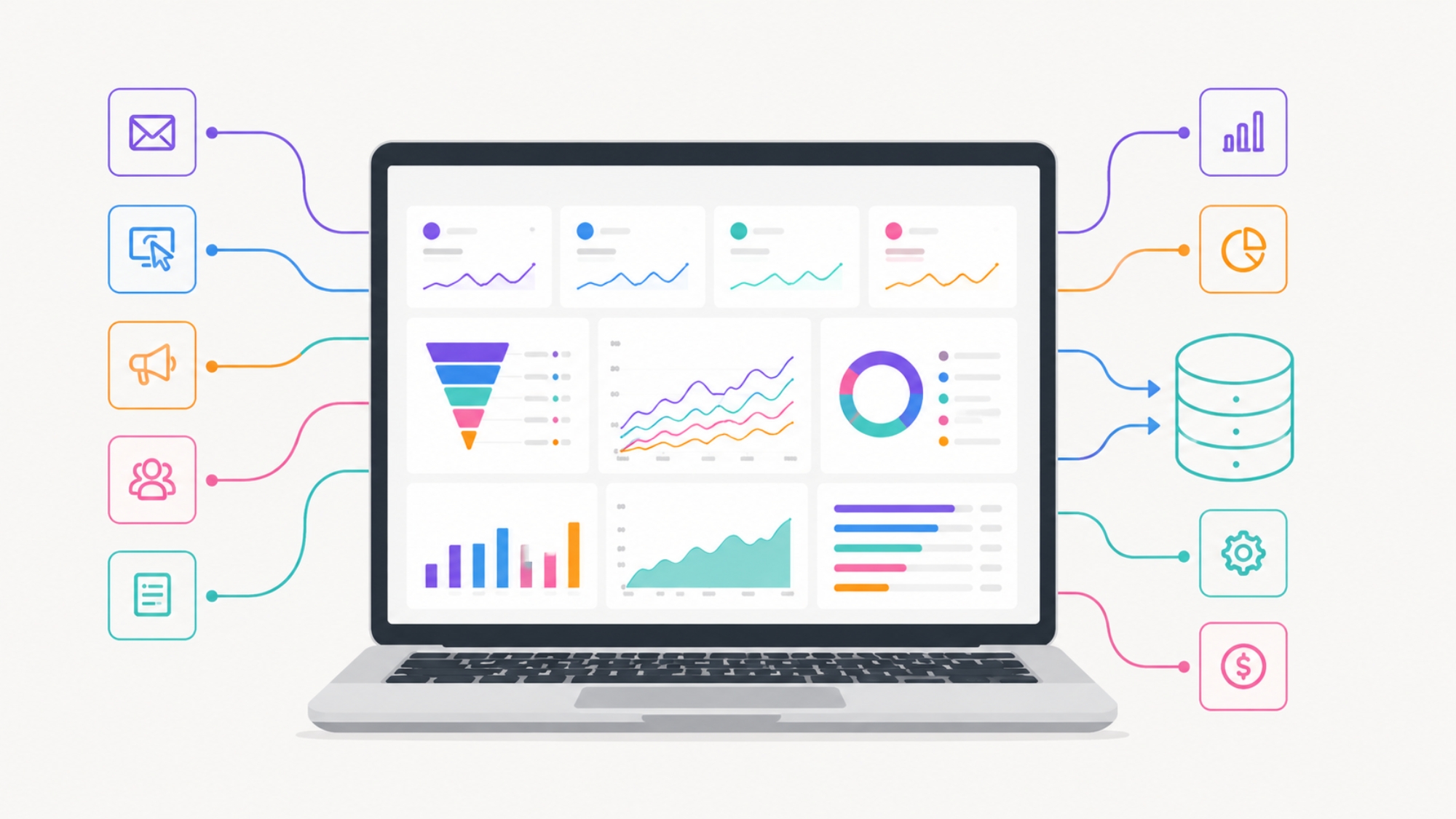
HubSpot isn’t just a CRM or an email tool—it’s the foundation that holds your marketing, sales, and customer relationships together. Whether you’re sending your first newsletter or managing a full inbound strategy, HubSpot gives you a place to build, track, and optimize everything in one clean, connected environment.
For small businesses, especially, that kind of simplicity is gold. No more jumping between five logins, duct-taping reports together, or wondering which contact list is the “real” one — problems that often lead to marketing that looks busy but isn’t actually working. HubSpot keeps your data and your efforts unified—so every marketing action has context.
If you want a deeper look at how HubSpot works as part of a structured marketing system, explore my HubSpot strategy and implementation approach.
Start Free. Scale Smart.
One of my favorite things about HubSpot is how accessible it is. Some of the most useful tools—CRM, forms, live chat, email templates—are completely free. That means you can start streamlining your outreach, tracking leads, and building automation without an upfront budget.
Then, as your business and goals expand, HubSpot grows right along with you. Need workflows? Reporting dashboards? Sales pipelines? Customer feedback tools? It’s all there—tiered and modular, so you only pay for what you use.
Automation That Feels Human
Automation shouldn’t make your marketing feel robotic. Done right, it frees you to focus on what matters—relationships. With HubSpot, you can design sequences and workflows that respond to real human behavior: following up when someone clicks a link, sending resources when a prospect asks a question, or even nudging a dormant lead with a friendly reminder.
I’ve implemented full HubSpot systems for clients who went from scattered spreadsheets to beautifully automated nurture flows that actually sound like them. It’s a transformation you can feel in both efficiency and connection.
Data That Drives Decisions
Small businesses don’t always have a data team—but HubSpot gives you insights that make you feel like you do. From traffic analytics to conversion tracking and campaign performance, you get real-time clarity on what’s working (and what’s not). That kind of visibility helps you make confident decisions and fine-tune your marketing spend without guesswork.
The Bottom Line
Marketing doesn’t have to be complicated or expensive to be effective. With HubSpot, it can be both powerful and practical—a system that saves you time, connects your efforts, and grows with your business.
Platforms like HubSpot are incredibly powerful when they’re part of a thoughtful marketing system rather than a collection of disconnected tools. That kind of alignment is exactly what working with a solo marketing specialist helps small businesses build.
Because when your marketing works seamlessly behind the scenes, you get to focus on what you do best: building the brand, serving your clients, and actually enjoying the business you’ve built.